
Drone Insurance UK Commercial Operators Required: Your 2026 Compliance Playbook
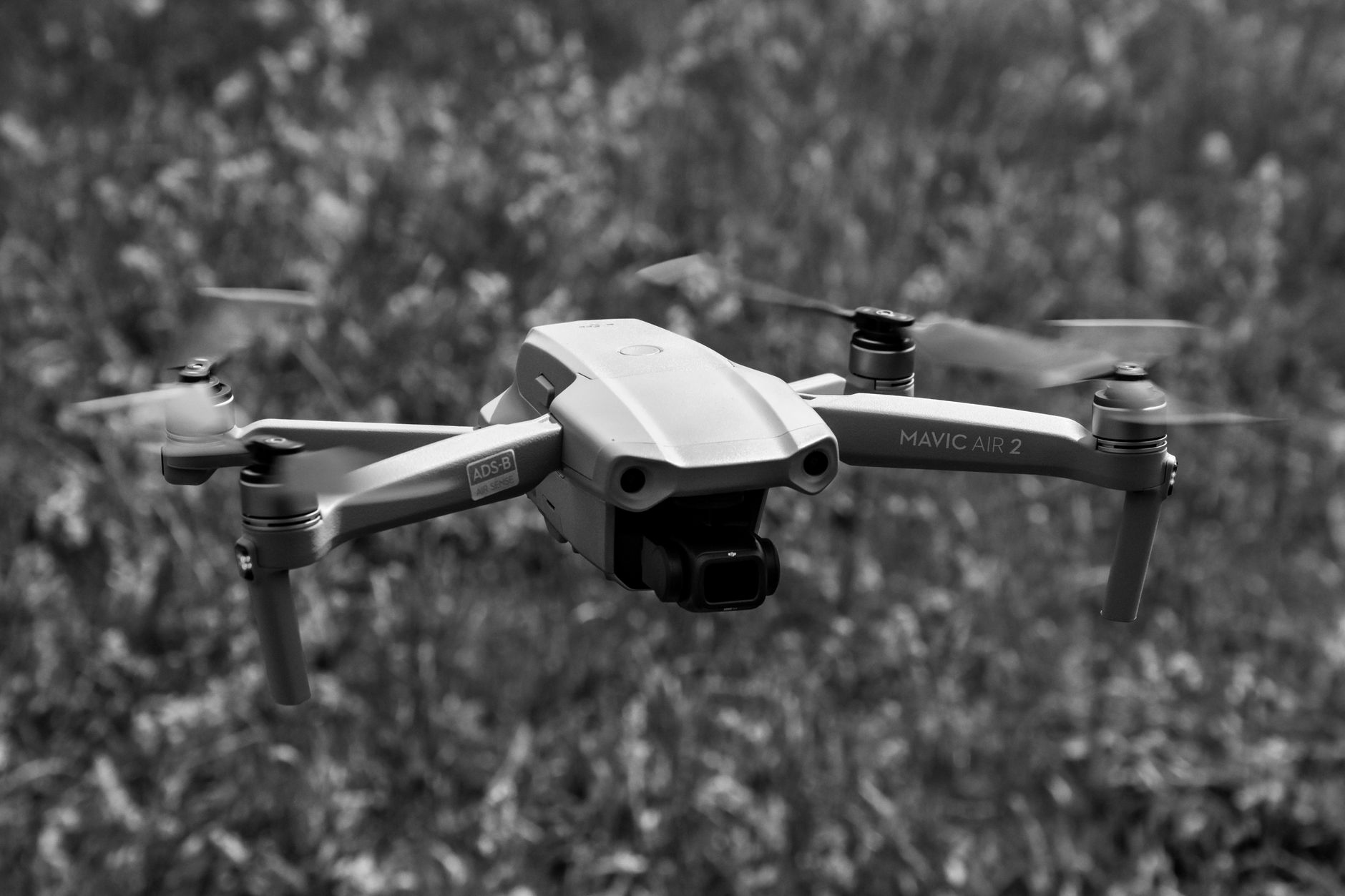
The best camera drones of 2026 — The Drone Girl’s recent roundup made one thing crystal clear: the gap between consumer and commercial UAV capability has virtually vanished. A £2,000 rig now shoots cinema-grade footage that would’ve required a six-figure helicopter setup a decade ago. But here’s what that glossy gear guide didn’t cover: the moment you invoice a client for those stunning aerials, you’ve crossed a regulatory Rubicon. Drone insurance UK commercial operators required coverage isn’t optional legalese — it’s the hard boundary between hobbyist freedom and professional liability.
Whether you’re transitioning from weekend FPV racer to paid survey pilot, or expanding your aerial photography side-hustle into a full CAA Operational Authorisation, understanding exactly what insurance you need (and what you don’t) can save you thousands in premiums and potentially your entire business if something goes wrong.
Why “Drone Insurance UK Commercial Operators Required” Is More Than a Checkbox
The Civil Aviation Authority doesn’t use the word “insurance” in its Operational Authorisation requirements by accident. EC785/2004 — the EU regulation still enshrined in UK law post-Brexit — mandates specific coverage for commercial air operations. But here’s where operators consistently stumble: the regulation specifies minimum third-party liability cover based on your drone’s Maximum Take-Off Mass (MTOM), not a one-size-fits-all policy.
Current 2026 thresholds:
- Under 20kg MTOM: Minimum €1 million (approx. £850,000) third-party liability
- 20kg to 500kg MTOM: Minimum €10 million
- Above 500kg: Minimum €100 million
Most competent brokers now recommend £5 million minimum for sub-20kg commercial work regardless — not because regulators demand it, but because a single personal injury claim can obliterate a £1 million policy before legal costs even enter the equation.
The “required” element extends beyond mere possession of a certificate. Your coverage must be valid for each specific operation described in your OA. Flying a thermal inspection job with a policy that only covers standard aerial photography? You’re effectively uninsured, and your OA becomes voidable.
The Three Coverage Tiers Most Operators Actually Need
Insurance marketing loves complexity. Strip away the jargon, and commercial drone insurance falls into three practical tiers:
1. Public Liability (The Non-Negotiable Base)
This covers injury to third parties and damage to their property. It’s the EC785/2004 requirement. Crucially, it does not cover your own equipment, your employees’ injuries, or damage to property you’re contracted to work on (that client’s roof you’re inspecting? Not covered if you crash through it — that’s a professional indemnity issue).
2. Equipment & Payload Coverage
Your Mavic 3 Pro might be replaceable. Your bespoke LiDAR sensor or cinema-grade gimbal? Less so. Equipment coverage becomes essential when:
- You’re flying with client-owned sensors attached
- Your drone carries irreplaceable data storage (un-backed-up footage from a one-time event)
- You’re operating in environments with elevated theft risk (remote survey sites, festival deployments)
2026 market reality: Premiums for equipment coverage have risen 15-20% since 2024 due to supply chain vulnerabilities in high-end camera components. Operators increasingly self-insure sub-£2,000 airframes and only cover mission-critical payloads.
3. Professional Indemnity (The Overlooked Shield)
This is where growing operators get caught. PI covers the financial consequences of your work, not just the physical crash. Examples:
- A survey flight with georeferencing errors causes a construction delay
- Wedding footage corrupted due to pilot error (not equipment failure — that’s equipment coverage)
- Breach of client confidentiality from leaked aerial imagery
PI isn’t legally required for basic OA holders, but it’s increasingly demanded by corporate clients and local authority contracts. The £1-2 million PI add-on typically costs 30-40% of your base liability premium.
How to Structure Your Policy Without Overpaying
Commercial drone insurance isn’t about buying the most comprehensive package. It’s about mapping coverage to actual risk.
Step 1: Audit your operation honestly
- What percentage of flights are over congested areas vs. rural?
- Do you ever fly with non-employee observers or assistants?
- What’s your actual equipment replacement timeline? (A 5-year-old Inspire 2 has different insurance economics than a fresh Matrice 350)
Step 2: Negotiate operation-specific endorsements Annual policies make sense for consistent operators. But if 60% of your revenue comes in a three-month summer window, investigate:
- Seasonal adjustments: Reduce coverage in off-months, reinstate with 48-hour notice
- Per-project endorsements: For one-off high-risk jobs (industrial chimney inspection, night operations under PDRA-02)
Step 3: Leverage your CAA record Insurers are increasingly data-driven. Operators with:
- Consistent annual renewals without claims
- Completed GVC training (not just A2 CofC for commercial work)
- Documented maintenance logs and pre-flight checklists
…can negotiate 10-15% reductions. Some brokers now offer telemetry-linked policies where your actual flight data (via DJI FlightHub or similar) influences premium calculations.
The Hidden Compliance Trap: International Operations
Post-Brexit complexity catches operators constantly. Your UK drone insurance UK commercial operators required policy almost certainly doesn’t cover EU operations unless specifically endorsed. The reverse — EU-issued coverage — isn’t automatically recognised by UK courts for liability purposes.
If you’re shooting that “best camera drones of 2026” worthy content for a cross-border client, or surveying infrastructure spanning the Channel, you need:
- Explicit territorial coverage in your schedule
- Confirmation that claims can be settled in GBP (not EUR) for UK tax/accounting purposes
- Recognition by both UK and relevant EU national aviation authorities
The “required” standard shifts by jurisdiction. Germany mandates higher minimums for urban operations. France requires specific environmental damage coverage. Your broker’s “worldwide” policy may meet minimums everywhere and satisfy nowhere.
Conclusion: Treat Insurance as Operational Architecture, Not Afterthought
The drone insurance UK commercial operators required framework isn’t bureaucracy for its own sake. It’s the structural foundation that lets you say “yes” to complex, lucrative jobs without sleepless nights. As camera drones become more capable and client expectations escalate, the operators thriving in 2026 aren’t those with the most coverage — they’re those with the most precisely calibrated coverage.
Start with your CAA Operational Authorisation requirements, layer in equipment and professional indemnity based on actual client contracts, and review quarterly as your operation evolves. The best camera drones of 2026 deserve protection that matches their potential. Build your insurance architecture accordingly, and you’ll spend less time worrying about compliance and more time capturing the shots that built your business in the first place.