
Best Drones for Mountain Biking Footage: 5 Trail-Tested Picks for 2026
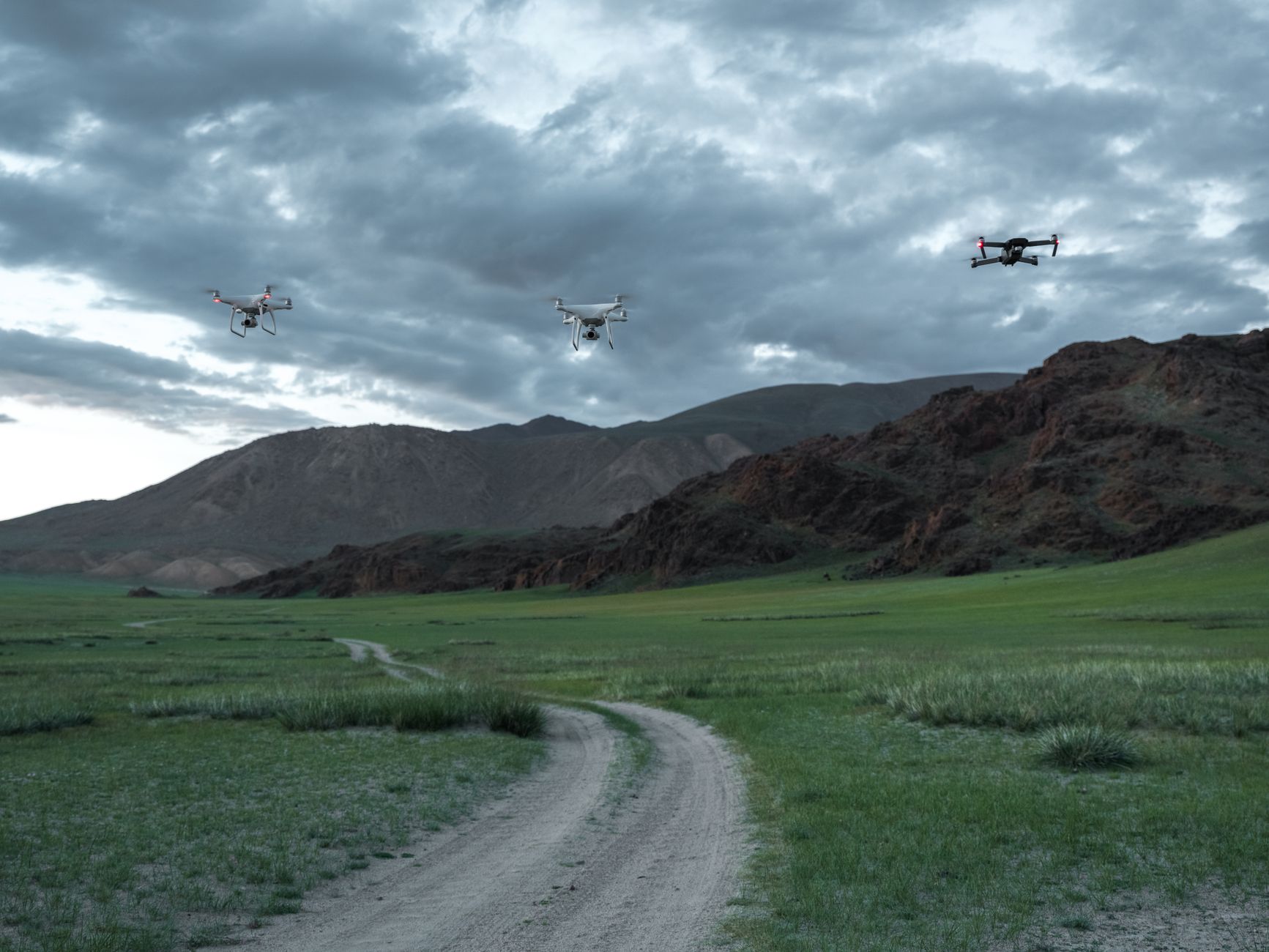
Fall riding season is here, and if you’ve scrolled through any MTB Instagram feed lately, you’ve noticed something: the bar for trail footage has been raised dramatically. What used to require a helicopter and a Hollywood budget now fits in a hydration pack. The best drones for mountain biking footage have evolved from clunky photography platforms into agile, intelligent filming machines that can thread through trees, track riders at 30mph, and capture angles that make your local loop look like a Red Bull Rampage segment.
But here’s the thing—most drone advice focuses on cinematic landscapes or real estate. Mountain biking throws unique challenges at aerial gear: rapid direction changes, tight tree cover, dust, crashes, and the need to keep up with athletes who don’t stop for retakes. After testing eight different setups across everything from flow trails in Moab to technical Pacific Northwest singletrack, I’ve narrowed down what actually works when the terrain gets rowdy.
Why Mountain Biking Demands Specialized Drone Features
Your average camera drone is built for smooth, predictable movement. Mountain biking is anything but. When you’re dropping into a rock garden or railing a berm, you need a drone that can handle sudden acceleration, aggressive banking, and rapid altitude changes without losing lock or turning your footage into a shaky mess.
Obstacle avoidance isn’t optional. Unlike open-field filming, trail riding means navigating through branches, around rock outcroppings, and sometimes through narrow gaps between trees. Look for drones with omnidirectional sensing—specifically models that can detect obstacles from above and below, not just front and back. The difference between a drone that sees that low-hanging pine branch and one that doesn’t is often $800 and a broken propeller.
Speed matters more than you think. Cross-country riders might cruise at 15mph, but enduro and downhill segments regularly hit 25-35mph. Your drone needs a sport mode that can actually keep pace without sacrificing stability. Many “follow me” drones top out at 20mph in tracking mode—fine for hiking, useless for capturing your buddy’s race run.
Wind resistance becomes critical when you’re filming at elevation. Mountain weather changes fast, and a drone that handles 20mph gusts on the beach might struggle when you’re filming above treeline in the Rockies. Check the wind rating, but more importantly, look for drones with strong GPS positioning that won’t drift when you’re trying to nail that follow-cam shot.
Top Picks for Different Riding Styles
Not all mountain bikers need the same aerial tool. A cross-country rider documenting epic backcountry routes has different needs than a downhill racer analyzing line choice. Here are the setups that actually deliver for specific disciplines.
DJI Avata 2: The FPV Game-Changer for Technical Terrain
The Avata 2 has become the go-to for riders who want immersive, first-person trail footage without building a custom quad. Its 155° field of view and 4K/60fps recording capture the sensation of speed better than any traditional camera drone. The real magic is the Motion Controller—you can fly it with one hand while holding your bike with the other, making it possible to launch, film a segment, and catch the drone before your next run.
What makes it perfect for mountain biking is the Turtle Mode. Crash into a bush? Flip it over and keep flying. The propeller guards mean you can fly confidently through tight tree sections that would ground an open-prop drone. Battery life sits around 23 minutes, which translates to roughly three solid trail segments per pack. For under $1,000, it’s the most capable out-of-the-box solution for aggressive riding footage.
DJI Mini 4 Pro: The Lightweight Trail Companion
If you’re pedaling to your filming location, every gram matters. At 249g, the Mini 4 Pro slips into a jersey pocket but still packs omnidirectional obstacle sensing and 4K/60fps HDR video. The ActiveTrack 360° feature is surprisingly capable for mountain biking—it’ll follow you through switchbacks and maintain framing even when you’re moving unpredictably.
The trade-off is speed. In tracking mode, it tops out around 25mph, and strong winds above 15mph can push it around. But for trail builders documenting their work, cross-country riders capturing scenic routes, or anyone who values portability over raw speed, it’s unbeatable. The 34-minute flight time means you can film multiple takes without hiking back to the car for batteries.
Skydio 2+: The Autonomous Filming Beast
Skydio’s autonomy is still unmatched in 2026. The 2+ uses six 4K navigation cameras to build a real-time 3D map of its environment, allowing it to follow you through dense forest where GPS-only drones lose signal. It doesn’t just avoid obstacles—it plans paths around them while keeping you centered in frame.
For mountain biking, the KeyFrame feature is revolutionary. Set waypoints along a trail, and the drone will fly that exact path while you ride, capturing cinematic sequences that look like they required a professional pilot. The 27-minute flight time and 36mph top speed handle most trail situations. The downside? It’s discontinued, so you’ll need to find refurbished units or remaining stock, but for pure “set it and forget it” filming, nothing else comes close.
FPV vs. Traditional Camera Drones: What’s Right for Your Riding?
This is the eternal debate in action sports filming. Traditional camera drones like the Mini 4 Pro or Air 3S offer stability, longer flight times, and intelligent tracking modes. They’re point-and-shoot simple. FPV drones like the Avata 2 or custom-built 5-inch quads deliver visceral, high-speed footage that puts viewers in the rider’s perspective.
Choose FPV if: You want to capture the sensation of speed, you’re comfortable with a steeper learning curve, and you’re willing to carry extra batteries. FPV footage looks incredible on social media because it’s raw and immediate. The downside is shorter flight times (5-10 minutes for custom builds, 23 for the Avata 2) and the need for goggles or a spotter.
Choose traditional if: You prioritize ease of use, need longer flight times for epic rides, or want features like automatic subject tracking. Modern camera drones produce stunning, stable footage that works beautifully for YouTube edits and sponsor reels. They’re also generally more durable and cheaper to repair after crashes.
Many serious MTB content creators run both: a Mini 4 Pro for scenic establishing shots and an Avata 2 for the action sequences. If you’re just starting out, the Avata 2’s versatility makes it the better single-drone solution.
Essential Accessories for Mountain Biking Drone Filming
The drone is only half the equation. These accessories make the difference between frustrating sessions and professional results.
ND filters are non-negotiable. Bright mountain sunlight and fast shutter speeds create that jarring, stuttery look in action footage. A set of ND8, ND16, and ND32 filters lets you maintain the 180-degree shutter rule (double your frame rate) for smooth, cinematic motion blur. PolarPro and Freewell make excellent options specifically for the Avata 2 and Mini 4 Pro.
Extra batteries, obviously, but be smart about it. Cold mountain air kills battery life. Keep spares in an inside pocket close to your body heat. For the Avata 2, the Fly More Combo’s three batteries are the minimum for a full day of filming. Consider a portable power station like the Jackery Explorer 240 if you’re filming from a remote trailhead.
A quality backpack with drone-specific compartments. The Peak Design Everyday Backpack 30L has customizable dividers that swallow an Avata 2, goggles, controller, and three batteries while leaving room for pads and a hydration bladder. For longer backcountry missions, the F-Stop Tilopa with a medium ICU protects your gear from crashes and weather.
Propeller guards for FPV drones. Even experienced pilots clip branches. Guards add minimal weight and have saved my Avata 2 from a dozen crashes that would have ended a filming session. They’re cheap insurance.
Getting the Shot: Pro Techniques for Trail Footage
Owning the right gear is step one. Using it effectively is what separates amateur clips from footage that gets shared.
Scout your line first. Walk or ride the section you want to film. Note where the sun will be, identify potential obstacles, and plan your drone’s flight path. The best MTB drone shots look spontaneous but are meticulously planned. I spend 10 minutes scouting for every 30 seconds of final footage.
Use the terrain to your advantage. Launch from above the trail when possible. A drone chasing you downhill looks faster and more dramatic than one struggling to keep up from below. For climbing shots, position the drone ahead of you and fly backward as you approach—this reveals the trail and landscape in one smooth motion.
Master the “reveal” shot. Start with the drone low and close, following you through a technical section, then have it pull up and back to reveal the surrounding landscape. This works incredibly well on ridgelines and when exiting tree cover into open alpine terrain. The Mini 4 Pro’s ActiveTrack makes this almost automatic; with FPV, it takes practice but delivers unmatched drama.
Respect the trail and other users. Mountain bikers already face access issues. Don’t be the person who ruins it for everyone. Yield to hikers, avoid flying near wildlife, and check local regulations—many wilderness areas prohibit drones entirely. When in doubt, ask land managers. The footage isn’t worth trail closures.
The best drones for mountain biking footage have transformed how we document and share our rides. Whether you’re chasing KOMs, building trails, or just want to relive that perfect descent, there’s never been a better time to add an aerial perspective to your riding. Start with the DJI Avata 2 if you want one drone that does everything well, or grab a Mini 4 Pro if portability is paramount. Get out there, fly safe, and capture something that makes your friends want to ride.